


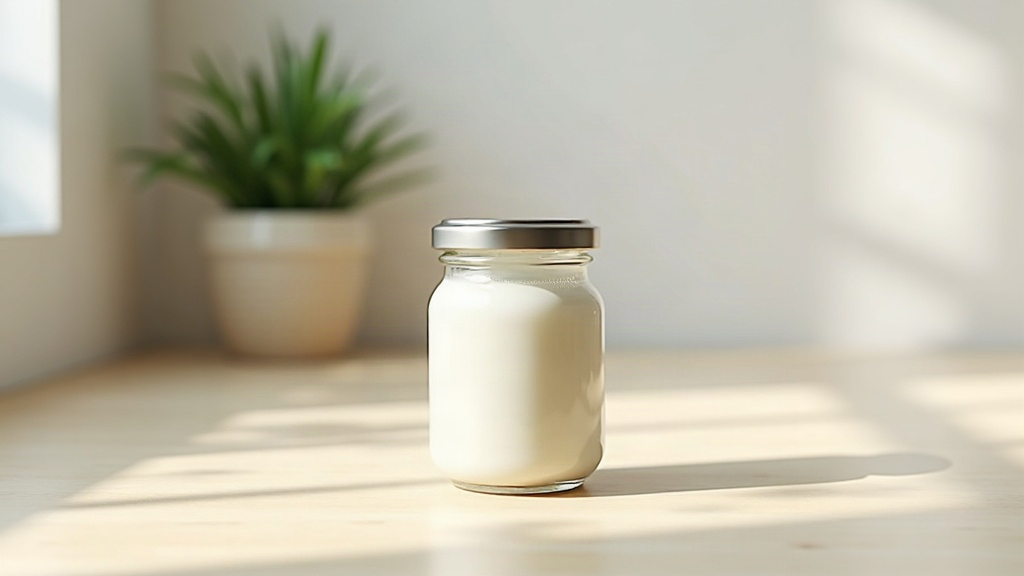
The jar used to open. That is how it starts - quietly, in the kitchen, with a lid you have twisted off a hundred times.
Then one day it does not open. You twist harder. You wrap a towel around it. You hand it to your son-in-law, and he opens it without thinking, and you laugh it off. But the hand that used to open that jar has been telling you something for a while now, and nobody at the doctor’s office has ever asked about it.
There is a strength check nobody gives you: grip. Not the grip of a handshake, and not just the grip for jars - the kind researchers measure when they want to know how well your body is holding up as you age. It takes ten seconds, needs nothing but your own hand, and the fix is two exercises you can do while the coffee brews.
Why the Hand Is the Tell
Here is what the research says. Earlier this year, a study published in JAMA Network Open followed more than 5,400 women ages 63 to 99 for about eight years. At the start, the researchers measured two things: how hard each woman could squeeze a grip device, and how fast she could stand up and sit back down five times. Then they watched, and they counted.
The results, in plain numbers: every 7 kilograms of grip strength - about 15 pounds - was linked to about a 15 percent lower risk of dying over those eight years. And every six seconds faster on the chair stands was linked to about a 9 percent lower risk. Harvard Health wrote it up in plain language, and the finding held even after the researchers accounted for how active the women were. Stronger hands meant lower risk, regardless.
Now before those numbers go to your head: this is a link, not a promise. Squeezing a towel harder does not directly add years to your life. What grip strength really is, is a window. The hand is one of the first places age shows up, and how strong it is tracks with how strong the rest of you is - the legs, the back, the heart. When your grip is going, it is usually not only your grip that is going.
And here is the part I love: the hand is also one of the first places strength comes back. Grip is trainable at any age, and it responds faster than most people expect. That is what the rest of this article is for.
The Three Kitchen Tests
You do not need a doctor’s office or a machine with a handle. Your kitchen has everything the tests need. None of them are pass or fail. They are a starting point.
Test One: The Jar
Pick the jar you know you could open a few years ago - the one that beats you now. Wash your hands first; wet skin changes everything. Then try it, once. Not the whole-body death grip with the jar against your chest - just the hand, the way you used to do it.
Test Two: The Grocery Bag
Fill a grocery bag with a few cans or a bag of rice - a weight you can lift, but not a feather. Carry it from the counter to the table, and pay attention to your hand. Do you switch hands halfway? Do you wrap both arms around the bag? Do your fingers ache before you set it down? Those little accommodations are data.
Test Three: The Towel
Wet a dish towel under the tap. Wring it out hard, the way you do when you mean it. And listen. A strong wring makes the towel whine as the water comes out. A tired hand just drips. It is the quickest strength test in the house, and you have been walking past it your whole life.
Two rules before we get to the exercises. First, if one hand is clearly weaker than the other for no reason you can name, or if your fingers tingle, go numb, or hurt - that is a doctor conversation, not an exercise conversation. The same goes for a grip that has dropped off fast, in weeks, rather than over years. Second, check with your doctor before starting any new exercise if you have health conditions or take medicine that makes you dizzy. The usual caveats, and they matter here because these exercises use the whole arm.
The Two Exercises
Everything above was the test. This is the fix: two exercises, no equipment beyond a hand towel and a grocery bag, done in the kitchen.
Exercise One: The Towel Grip Hold
Roll a hand towel into a log. Hold it in one hand, and squeeze as hard as you can for five seconds. Relax. That is one. Do five per hand, then switch. The whole set takes about a minute - it is a coffee-brewing exercise.
Make it easier: squeeze for three seconds instead of five. Make it harder, when it gets easy: squeeze longer, or fold the towel twice so the roll is thicker and your fingers have to work to close around it.
You should feel this in the palm of your hand, your fingers, and up the underside of your forearm. That is the whole point - those are the muscles that close around the jar lid.
Exercise Two: The Farmer Carry
This is the grocery bag test, promoted to exercise. Take a bag in each hand - start light, two cans or a bag of rice in each. Stand tall, shoulders back, and walk the length of the kitchen or the hallway. Turn around. Walk back. Put the bags down. Rest. That is one. Do three.
Make it easier: lighter bags, a shorter walk. Make it harder: heavier bags, or a longer hallway. This is the one exercise that trains the whole chain at once - the fingers and forearm that hold the bag, the shoulders that carry it, and the balance you need to walk with something in your hands. It is the exact job you do every time you bring in the groceries, except now you are doing it on purpose.
If your balance feels uncertain, keep one hand free and walk next to the counter, ready to touch it. The same counter that helps you with the strength exercises is here to help you too.
How Often
Every other day is plenty. These are strength exercises, and strength is built in the rest between sessions, not in the squeezing. Every other day, five grip holds per hand and three carries, is a routine that fits in any week.
The dose is small on purpose. The whole lesson of this series is that small and consistent beats big and occasional - the same reason Just Start begins with one tiny move in the morning, and why the four-minute routine in the strength article works. Your hands are no different. Ten minutes a week, split up, will show up in your grip in a couple of months.
The Important Part
Grip strength comes back, but it comes back slowly, in weeks and months, not days. Here is the order it usually happens in, so you are not surprised: the towel wring changes first - that is the earliest sign, usually within a few weeks. The grocery bag gets easier next. The jar comes last, because a jar lid needs a lot of force all at once, and that is the final level. When the jar finally opens - and it will - it is a small party in the kitchen. I have had that party. I recommend it.
And a note for anyone who thinks this is too small to matter: the week of September 21 is Falls Prevention Awareness Week, run by the National Council on Aging, with a free Falls Free CheckUp anyone can take. The balance article and the fall-proofing article in this series both point at it, and they cover the feet and the home. This is the missing layer: the grab bar on the shower wall only works if your hand can hold it. The hand that reaches for the rail is the same hand that opens the jar.
Your Only Job Today
Do the three tests once and write down what you notice. That is the whole job today.
Tomorrow, or the day after: the towel grip hold and the farmer carry, once each, in the kitchen. Five squeezes per hand. Three walks with the bags. Less than ten minutes, no equipment, no gym.
Then do it again in two days. The hand that can’t open the jar today is stronger by Thanksgiving.
Disclaimer: I am not a doctor. I am a grandmother who has had to figure this out the hard way - the jars that stayed closed, the grocery bags that got heavier, the morning stiffness. Check with your doctor before starting anything new, especially if you have existing health conditions or take medicine that makes you dizzy.
If this helped, there is more where it came from. The Basic Hub sends one practical guide a week - no spam, no jargon. Sign up below so the next one finds you.