
September is National Preparedness Month, which means the internet is full of emergency kit lists this week. Water, granola bars, a crank radio, a flashlight. They are good lists, and they were written by and for people in their 20s. Yours starts somewhere else - with your pill bottles, your spare glasses, and the piece of paper that says what you take and why, because someone else may have to read it. This article is the kit list for the person you actually are.
The timing is not an accident. FEMA kicked off the month on September 1 with the theme “Americans Stand Ready”, and its message this year is the same one it repeats every September: take one small step this month, because the small steps are what add up before a storm, a wildfire, a power outage, or anything else that sends you out the door with five minutes of notice.
But here is the thing FEMA says that most list articles leave out. The federal guidance for older adults does not start with water. It starts with a question: what do you need that a 30-year-old does not? The whole kit and plan follow from the answer. That is the list we are building here.
The question the other lists skip
A person in their 20s packs for inconvenience. Granola bars, water, a phone charger, maybe a deck of cards. A person over 60 packs for the specific ways their body and their life depend on things that stop working in an emergency: the pharmacy that is closed, the power that keeps the medical equipment running, the glasses that are on the nightstand while the smoke alarm is going off.
So before you buy anything, take the self-assessment that FEMA’s Disaster Preparedness Guide for Older Adults walks through. Ask yourself these questions:
- What medicine do I take every day, and could I list the names and doses from memory right now?
- Do I need my glasses to see well enough to drive, read a label, or find my way out of a dark building?
- Do I use hearing aids, a cane, a walker, a wheelchair, or anything that runs on batteries or electricity?
- If the power went out tonight, what in my house would stop working, and which of those things matter to my health?
- If I had to leave in the next ten minutes, who would I call, and who would come looking for me if I could not call?
That last question is the one the other lists skip, and it is the difference between a kit and a plan. We will get to it. First, the stuff.
The medicine part comes first
The standard lists say “a week of prescription medications,” in the same tone they use for “a change of clothes.” For someone over 60, the medicine part is not a line item. It is the reason the kit exists.
Aim for a week of every medicine you take, in the original bottles if you can manage it - the labels have the dose on them, which matters more than you think. Pharmacies will usually work with you on an emergency refill ahead of a known storm, and many insurers allow an early refill after a disaster declaration. If a week is not possible, keep as much as you can and talk to your pharmacist about what else to do - that is a real conversation they have all the time.
Then write the list. Not for you - you know what you take. For the person who has to read it when you cannot speak for yourself: the emergency room doctor, the neighbor who finds you, the daughter who lives three states away and is on the phone with 911. The list needs the name of each medicine, the dose, what it is for, and any allergies. One page. Keep a copy in the kit, a copy with your important papers, and a copy in your wallet or purse.
The rest of the list, for the person you are
Here is where the older-adult kit parts company with the 20-something list. Add these, and do not skip the ones that feel small:
- A spare pair of glasses. The pair on your face is the pair that breaks, and the pair on the nightstand is the pair you cannot grab in the dark. A spare in the kit means you can still see to drive, read a prescription bottle, and sign your name. If you have old glasses that no longer match your prescription, they are still better than no glasses.
- Hearing aid batteries, or the charger, if yours are rechargeable. A hearing aid with a dead battery in an emergency is a hearing aid that might as well not be there, and you want to hear the instructions, the warnings, and the people looking for you.
- Small bills of cash. Card readers die with the power. Fifty dollar bills in small denominations - you do not want to ask a gas station to break a hundred when the registers are down.
- A phone charger and a backup battery. The car charger counts. A cheap power bank that you charge once a month counts too, and it is the difference between a phone that dies at the worst moment and a phone that gets you help.
- A list of your emergency contacts, on paper. Your phone’s contacts are useless when the phone is dead. One page with names and numbers - your people, your doctor, your pharmacy.
- Comfortable, sturdy shoes by the door. In a real evacuation, the shoes you are wearing are the shoes you will walk in. Slippers do not get you far over broken glass and wet streets. Consider buying some slip-on walking shoes. My brother loves his Sketchers slip-ons. (This is not sponsored and other slip-on shoe brands are available. For example, lots of people like Crocs)
- A small flashlight with batteries, or a hand-crank one. The flashlight on your phone drains the phone, and the phone is your lifeline. A two-dollar flashlight keeps them separate.
That is the older-adult core. If you can only afford part of it this month, do the medicine list and the cash first - they cost almost nothing - and add one item each payday. More on that below.
The paperwork step
If you have built the folder - the one-afternoon project that keeps your family from spending the worst month of their lives hunting for a policy number - the emergency kit is where its shadow lives. The kit does not hold the originals. It holds copies: a photocopy of your insurance cards, Medicare card, a list of your accounts and the folder’s location, the medicine list from above. If the house floods or burns, the folder and the kit do not both have to survive - but one of them should, and copies in both mean one of them will do their job.
If you have not built the folder yet, that is a separate one-afternoon project, and it is the best investment of an afternoon you will make all year. The kit and the folder are siblings: the folder is what your family needs after something happens to you, and the kit is what you need during something happening to everyone. Both start with a binder and a list.
The plan is half the kit
The list articles skip this entirely. Stuff is only useful if someone knows you need it.
The plan is three sentences long:
- Who you would call? One person - a relative, a neighbor, a friend - who would come for you or send help. It should be someone with a key or someone close enough to get one.
- Who knows you need help? At least one person who would notice if you did not check in: a neighbor who sees your lights, a relative who gets your weekly call. Agree on the signal - “if I have not called by Tuesday morning, check on me.”
- How you would get out? If you drive, you need a route and a full tank habit. If you do not drive, it is the name of the person who would pick you up, or the number for your county’s emergency transportation or 311 line. FEMA’s guidance is blunt about this: plan for your transportation before you need it, because the moment you need it is too late to figure it out.
That is the ten-minute conversation, and it matters more than any single item in the bag. A kit which no one knows exists, is a box of supplies. A kit plus one person who will come looking for you is a rescue.
The one-Saturday version
You do not need to do this all at once, and you do not need to spend much. Here is the whole project in one afternoon:
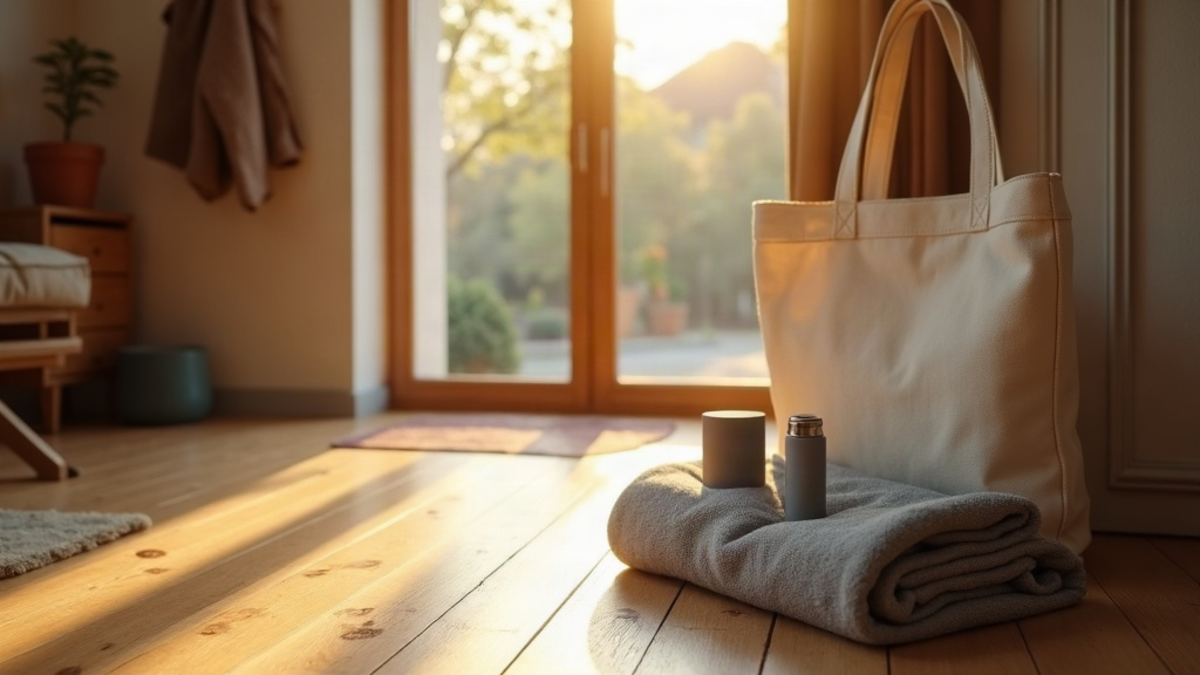
- Pick the bag. A backpack, an old tote, a plastic bin with a lid. Anything you can grab with one hand in the dark. Label it.
- Do the medicine page first. Ten minutes, and it costs nothing but the paper.
- Round up the copies. Insurance cards, Medicare card, the medicine list. Five minutes with a photocopier or a phone camera and a printer.
- Shop the house before the store. You already own most of this: the spare glasses from two prescriptions ago, the flashlight from the junk drawer, the power bank someone gave you. The store trip is for what is actually missing.
- Write the three-sentence plan and make the phone call. This is the step people skip, and it is the step that saves lives.
If money is tight, do the $20 version this month: a notebook and pen, a page for the medicine list, a page for contacts, small bills of cash folded in an envelope, and the three-sentence plan taped inside the front cover. Add the spare glasses and the flashlight next pension or pay day. A kit is built one item at a time, and the first item is the list.
What to do now
This month, while the campaign is running and the checklists are everywhere, take the one step that is actually yours:
- Write the medicine list - name, dose, what it is for, allergies - and put a copy in your wallet today.
- Pick the bag or bin and label it.
- Put the spare glasses and the hearing aid batteries in it this week.
- Write the three-sentence plan, and have the ten-minute conversation with the person who would come for you.
- If you have not built the folder yet, put that one afternoon on the calendar. The kit holds its copies; the folder holds the originals of everything.
September is the month FEMA asks everyone to take one step. The step that matters for you is not the granola bars. It is the page with your medicines, the spare pair of glasses, and the person who knows to come looking. That is the kit for the person you are - and it is ready long before the storm is.
If this helped, there is more where it came from. The Basic Hub sends one practical guide a week - no spam, no jargon. Sign up below so the next one finds you.